
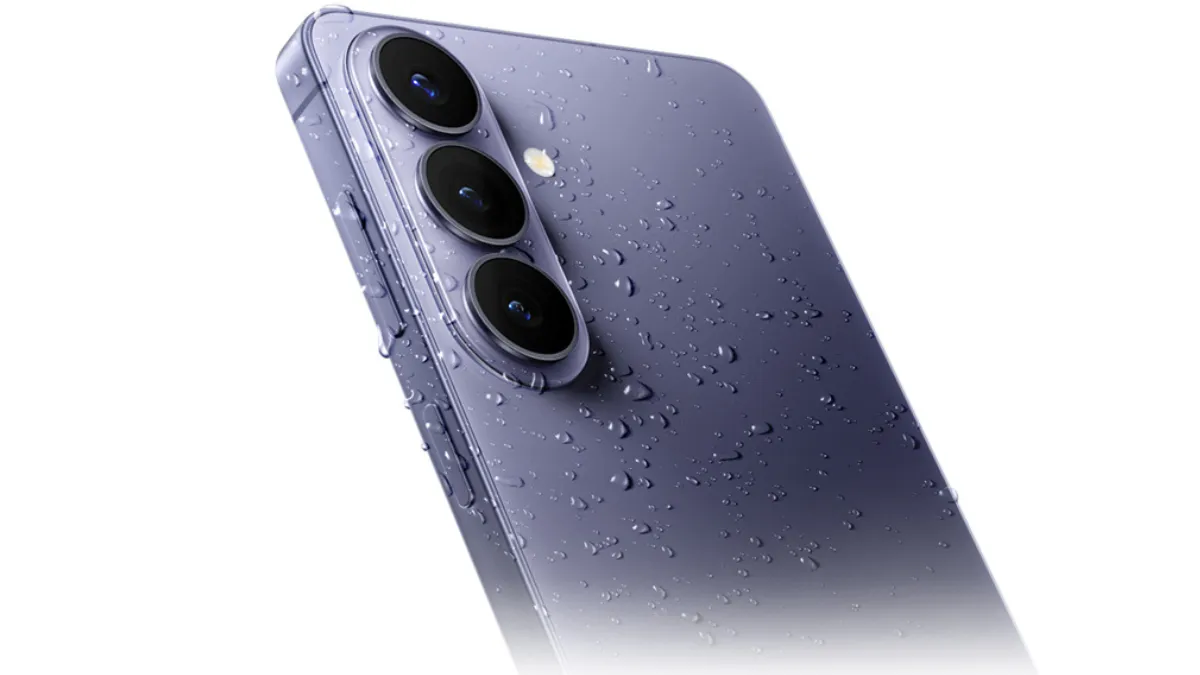
Samsung Galaxy S26 Series Review: Which One Should You Actually Buy?
Samsung’s 2026 flagship lineup landed on February 25, with the S26, S26 Plus, and S26 Ultra all going up for pre-order the same day and shipping globally on March 11. Three phones, three price points, and a lot of overlapping marketing language that makes it genuinely hard to tell which one is actually worth your money. Let’s break down what’s real and what’s just spec-sheet padding.
Pricing and release details
All three phones launched with a mixed bag on pricing that’s worth understanding before anything else. The Galaxy S26 Ultra kept its $1,299 starting price unchanged from the S25 Ultra, while the base Galaxy S26 and S26 Plus both received $100 price hikes, landing at $899 and $1,099 respectively. Samsung offered up to $900 in trade-in credit at launch, with a unified color palette across the lineup including Cobalt Violet, White, Black, and Sky Blue. All three phones are available globally as of March 11, 2026, through Samsung directly and major carriers.
That pricing shift matters more than it might seem at first glance. A year-over-year price hike on the two lower-tier phones, while the flagship Ultra holds steady, is an unusual move for Samsung, and it changes the value equation for anyone comparing these phones to last year’s S25 lineup.
What’s actually new this year
Don’t expect a dramatic redesign if you’re upgrading from an S25. According to GSMArena’s hands-on coverage, Samsung didn’t change the core recipe this year, focusing instead on software and AI improvements rather than groundbreaking hardware changes, with most of the attention going toward a more capable Galaxy AI system layered across the entire lineup.
The standout hardware addition is the Ultra’s new Privacy Display, a screen technology designed to limit what people can see when looking at your phone from an angle, essentially making it much harder for someone sitting next to you on a train or in a coffee shop to glance at your screen. It’s a genuinely practical feature rather than a marketing gimmick, and it’s exclusive to the Ultra this generation.
Paired with that, the S26 Ultra’s full specification sheet shows Super Fast Charging 3.0 now reaching up to 60W wired and 25W wireless, both real upgrades over the S25 Ultra’s charging speeds. The 6.9-inch Dynamic LTPO AMOLED display now hits 2600 nits peak brightness with a 120Hz refresh rate, and Samsung redesigned the internal vapor chamber cooling system, moving the thermal interface material to the sides of the processor for more efficient heat dissipation, good news if you play graphically demanding games for extended sessions.
Where the three models genuinely differ
This is where your actual buying decision gets made, and it’s worth spending real time on. According to a detailed Ultra versus Plus comparison from MagBak, the main reasons to choose the Ultra come down to its 200MP camera system, which meaningfully outperforms the Plus’s 50MP setup, along with the built-in S Pen and faster charging speeds. If you don’t care about the stylus or top-tier zoom photography, the Plus delivers flagship performance without the Ultra’s premium price tag, running the same Snapdragon 8 Elite Gen 5 chip and the same AMOLED display technology found in the Ultra.
Size is another real differentiator. The Ultra measures 6.44 by 3.07 by 0.31 inches and weighs 214 grams, making it the largest and heaviest of the three by a noticeable margin. The Plus sits in the middle, and the standard S26 is the most compact and pocket-friendly of the trio. If one-handed use matters to you, that alone might settle the decision before specs even enter the conversation.
Chip consistency depends heavily on where you live, and this is a detail a lot of buyers miss. All three U.S. models run the Snapdragon 8 Elite Gen 5 for Galaxy, but in other regions, the base S26 and S26 Plus switch to Samsung’s own Exynos 2600 chip instead. The Ultra ships with Snapdragon worldwide with no exceptions, so if you’re in an Exynos market and performance consistency matters to you, the Ultra guarantees the chip most reviewers still consider stronger for sustained, heat-throttled performance during long gaming or video editing sessions.
The camera problem Samsung hasn’t fixed
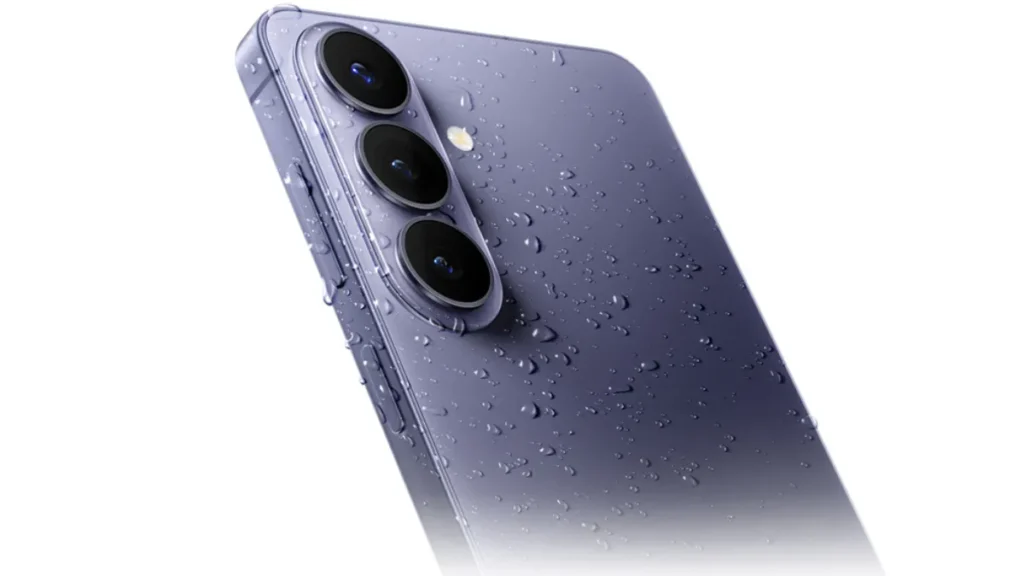
Here’s the part Samsung would rather you not think too hard about. According to Android Authority’s in-depth review, the Galaxy S26 and S26 Plus both use a 50-megapixel primary camera, a 10MP 3x telephoto lens, and a 12MP ultrawide, the exact same camera hardware Samsung has used since the Galaxy S22 series, four years ago. For a phone now starting at $899, and especially for an $1,099 Plus model, that’s a legitimate letdown. As that same review puts it bluntly, these are fine cameras for a $600 or $700 phone, but not for what Samsung is charging here in 2026.
Battery life tells a similar story of incremental, not exciting, progress. The Galaxy S26 got a modest bump to a 4,300mAh battery from the S25’s 4,000mAh, while the S26 Plus stayed unchanged at 4,600mAh, with both phones reliably lasting one full day per charge and nothing beyond that. Charging speeds didn’t move either. The base S26 and Plus are stuck at the same 25W and 45W wired charging speeds as last year’s models, well behind competitors like the OnePlus 15’s 7,300mAh battery that can stretch across two to three days on a single charge.
Galaxy AI: the real headline feature, whether you asked for it or not
Samsung is clearly betting its entire 2026 pitch on software rather than hardware, and Galaxy AI is where nearly all of the marketing energy has gone. The Ultra in particular leans into what reviewers are calling a software-first strategy, trading raw hardware dominance for AI tools built to actually save you time day to day rather than just impress you in a keynote demo. Whether that’s the right trade-off depends entirely on how much you actually use AI features versus how much you value a titanium frame or a larger optical zoom range, both of which the Ultra quietly stepped back from this generation in favor of aluminum construction and a more software-focused pitch.
What’s genuinely working in this lineup
The Ultra holding its price steady while gaining real charging and display upgrades is a rare bit of good news in flagship pricing this year, especially with rivals raising prices across the board. Samsung’s decision to keep the Ultra’s Snapdragon guarantee worldwide, rather than splitting the experience by region, is also a meaningful trust move for international buyers who’ve been burned by chip inconsistency between Snapdragon and Exynos models in past generations. And the Privacy Display, while exclusive to the Ultra, is the kind of genuinely practical feature that solves a real everyday annoyance rather than existing purely as a spec-sheet bullet point.
Where the lineup still falls short
The unchanged camera hardware on the S26 and S26 Plus is the biggest miss here, and it’s hard to overstate how frustrating a four-year-old sensor feels on a phone priced at $899 to $1,099 in 2026. Battery and charging speeds tell the same story: technology has clearly moved forward across the industry, and Samsung’s base and Plus models simply haven’t kept pace. If you’re comparing directly against phones like the OnePlus 15, the gap in battery capacity alone is difficult to justify given Samsung’s pricing.
Our honest take
If cameras and the S Pen matter to you, the Ultra is worth the premium, full stop, and its steady pricing this year makes that decision easier than usual. If you want flagship-level performance without paying Ultra prices, the S26 Plus is the smarter buy and still handles everything well day to day. But the base Galaxy S26 is the hardest of the three to recommend right now. A $100 price increase paired with four-year-old camera hardware and unchanged charging speeds makes it feel like the weakest value in the lineup, even though it remains a perfectly capable phone for everyday use. If your budget stretches even slightly, the extra $200 for the Plus buys you meaningfully more phone.
This article reflects official Samsung specifications and independent reviewer testing available as of publication. Regional pricing and chipset availability may vary by market.
Written by Qamar for ToolsBulletin, honest tech coverage on tools, gadgets, and what’s coming next.




Leave a Reply